Yesterday, I was asked where I see myself in ten years. My answer was simple: “Here”, which surprised me a little when I said it out loud.
Years ago, I moved from Montgomery County to Florida for college thinking it might be the closest I would ever live to home again. I never imagined I would find my way back, build a life here, and fall in love with this place in a completely different way. But as we know, there is more than one way “home”.
Now, when I think about the future of my work I see myself continuing to document the stories, personalities, and everyday magic of Northwest Philadelphia. I see myself wandering the same trails, photographing the same neighborhoods, and continuing to notice the little moments that make a place feel like home.
From Chestnut Hill to East Falls, Germantown to Mt. Airy, I am fascinated by the way each neighborhood develops its own personality while still being connected by the same streets, parks, and gathering places.
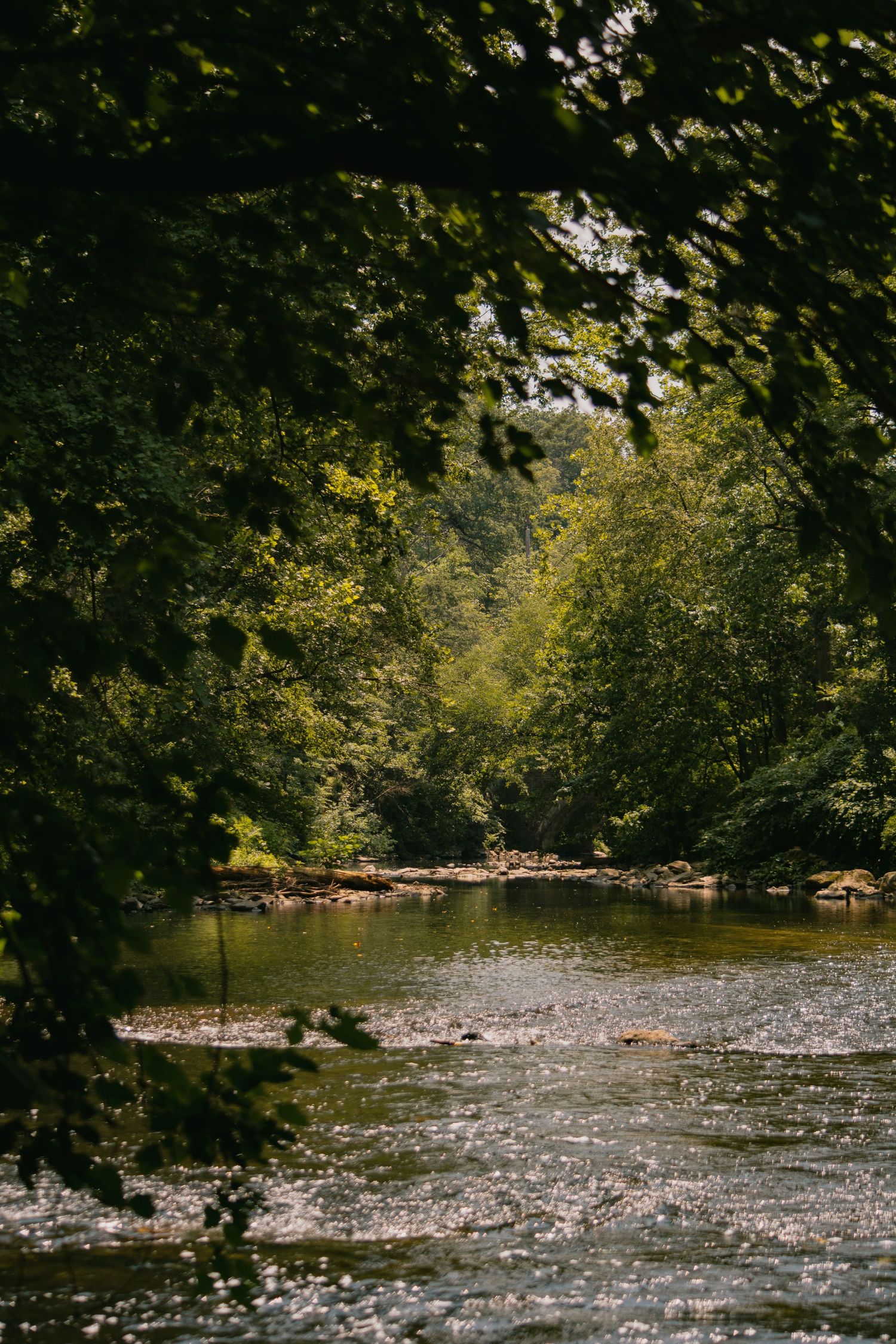
I have always been drawn to the idea of a watering hole. Not just a physical place where people gather, but a place where stories collect. A place where generations overlap. A place people return to again and again because something about it makes them feel connected. For Northwest Philadelphia, I think that place is the Wissahickon.
The Wissahickon is our shared backyard. It is where people go for morning walks, first dates, birthday adventures, quiet moments, and family traditions. It is where people reconnect with nature, with themselves, and with each other.
But the Wissahickon is not just a beautiful place, it is a place with stories much older than our own.
Before Philadelphia was a city, before Germantown Avenue became a bustling corridor of homes and businesses, before these trails became a weekend escape for families and hikers, this land was home to the Lenape people.
The Lenape, pronounced “Len-AH-pay,” are the original people of Lenapehoking, their homeland which includes present-day eastern Pennsylvania, New Jersey, Delaware, and parts of New York. They lived throughout this region, including along the waterways connected to the Wissahickon and Schuylkill River.
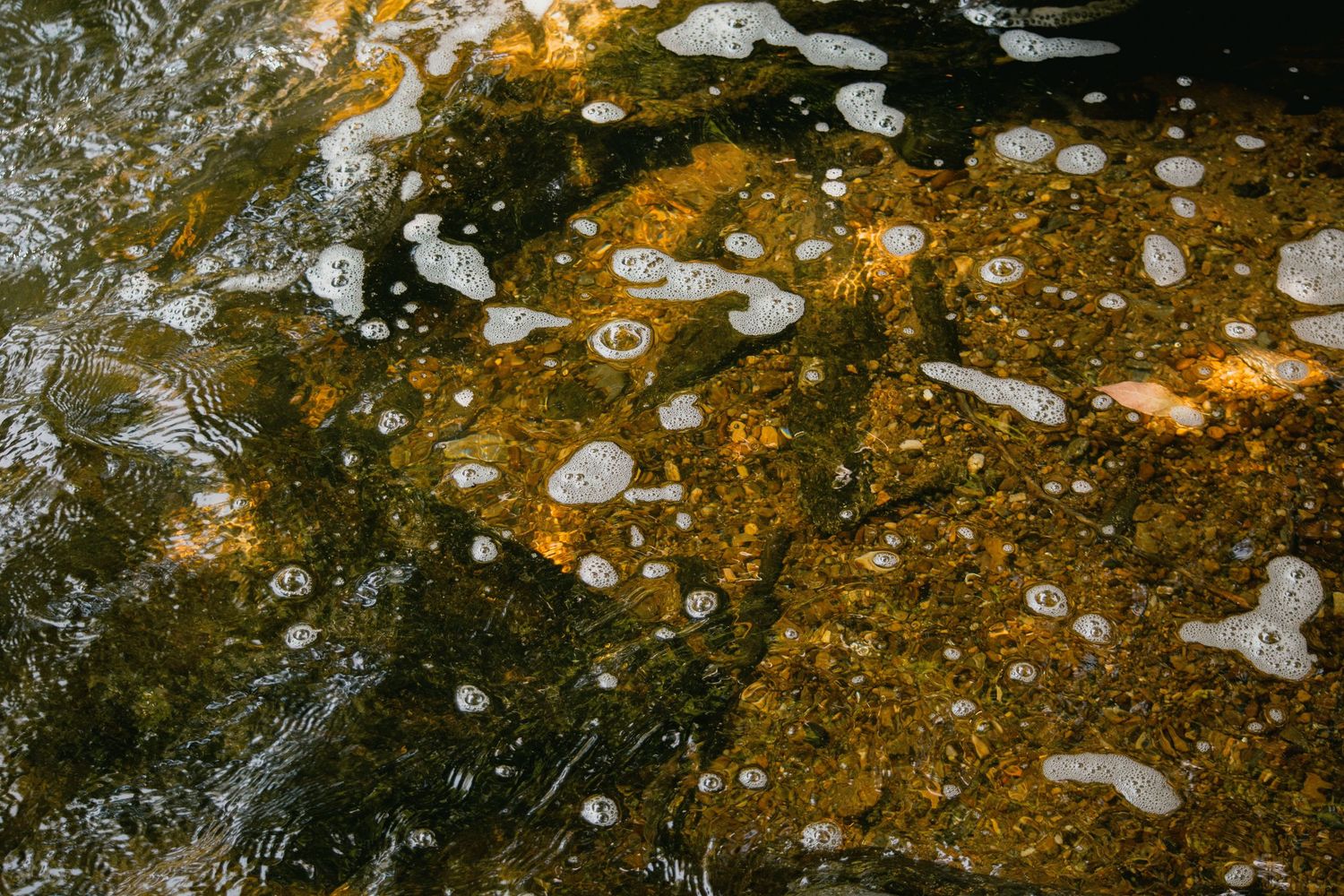
Even the name Wissahickon carries this history. The name is believed to come from the Lenape word “Wisameckham,” meaning “catfish stream.” The creek was once known for its abundance of fish, with historical accounts describing waters so full of catfish that a single dip net could bring up more than one person could carry.
The Lenape relationship with this land was built on connection. They understood themselves as part of nature, not separate from it. They were skilled farmers and careful stewards of the land, growing crops like corn, beans, squash, tobacco, and sunflowers while understanding the importance of working with the natural rhythms of the earth rather than exhausting it.
It is also important to remember that Indigenous history is not only a story of the past. The Lenape people are still here.
Colonial governments displaced Lenape communities through broken treaties, forced removals, and policies that restricted Native people to reservations including Chicone, Broad Creek, Indian River, and the Brotherton Reservation in New Jersey. These reservations did not protect Lenape communities and were eventually disbanded. Generations of displacement followed, but Lenape people and culture survived.
The Nanticoke Lenni-Lenape Tribal Nation reminds us that survival itself is significant. The Lenape are not a people who disappeared from this land, but a living community with continuing traditions, histories, and connections.
Even the ways we have chosen to represent Indigenous history in public spaces shapes our understanding of the land and its stories. Some monuments and portrayals of Lenape people have reflected inaccurate ideas rather than careful attention to Lenape culture and appearance. The figure often referred to as Tedyuscung at Council Rock in the Wissahickon, for example, has been criticized for depicting clothing associated with Plains Indigenous cultures rather than Lenape traditions.
These details matter. Honoring a place requires more than acknowledging that people were here. It requires listening, learning, and being willing to question the stories we have inherited.
The Wissahickon has continued to gather stories from many communities over time. Later settlers, including German mystics and Pietist Protestants, found spiritual meaning in these woods. Johannes Kelpius and his followers lived along the Wissahickon in meditation, viewing the valley as a place of reflection and refuge.
Artists and writers found inspiration here too. Edgar Allan Poe visited East Falls, and generations of visitors have been drawn to the landscape for its beauty, quiet, and mystery.
Today, millions of people continue to find something meaningful here. Maybe that is why I keep coming back to the idea of a watering hole. A place becomes special because of everything that happened there before us and everything that continues to happen there after us.
The Wissahickon is not simply a backdrop for photographs. It is a living landscape filled with memory, resilience, spirituality, and connection.
As someone who photographs people in the places they love, I think about this often. A photograph captures one moment, but a place holds thousands of moments before and after we arrive.
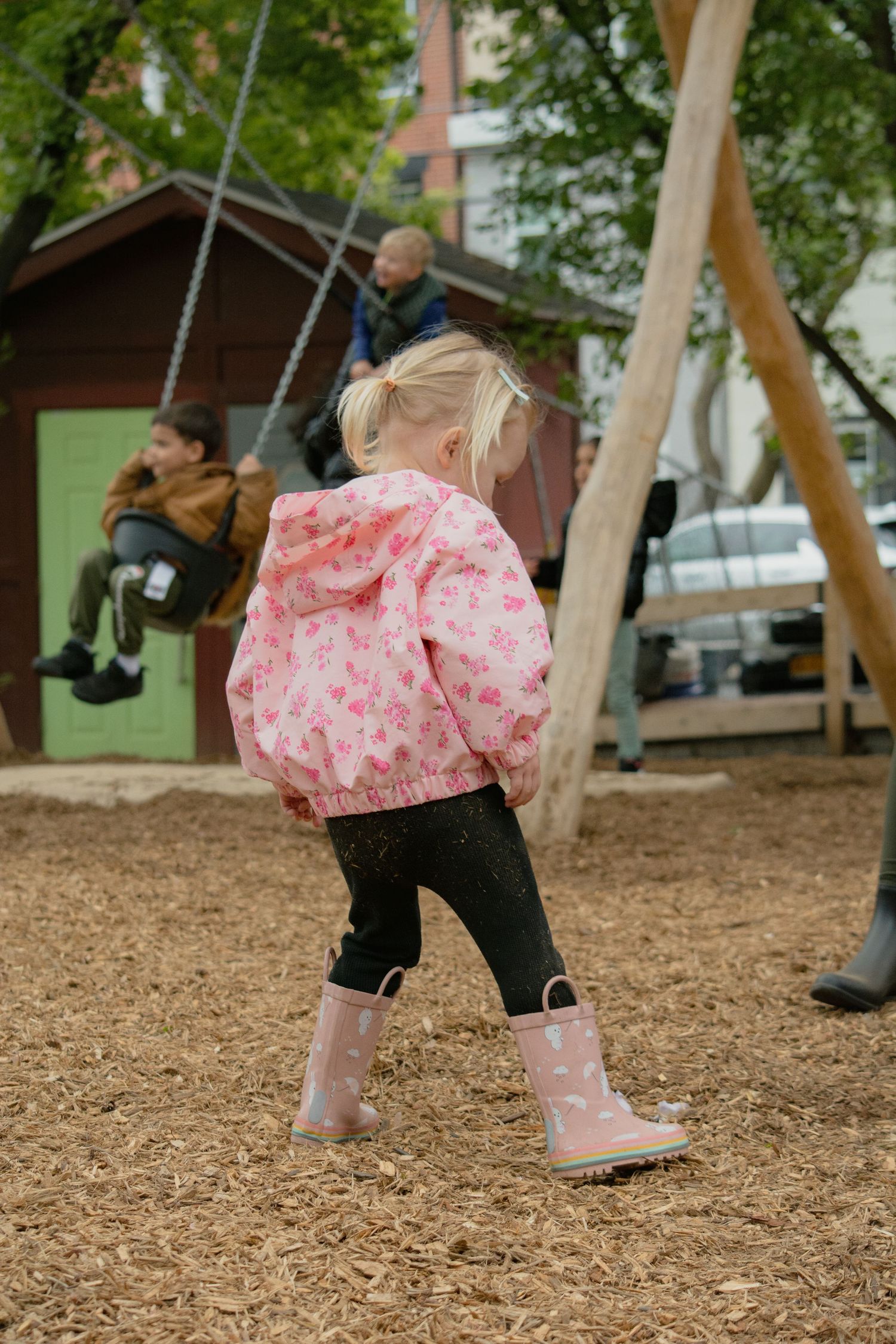
When I photograph a family walking these trails, a couple laughing beside the creek, or a child discovering a place that feels brand new, I am capturing one small piece of a much larger story.
Philadelphia is a city of neighborhoods, each with its own personality and stories. But beneath all of those stories is the deeper history of the land itself. So as we walk these trails, gather with our families, celebrate milestones, and create new memories, I hope we can also take a moment to consider our relationship with this place.
What does it mean to live thoughtfully on land that carries so much history?
What does it mean to honor the stories that existed long before our own?
For me, that is what makes a place worth photographing. Not just how it looks, but everything it holds.
Sources and Further Reading
Chestnut Hill Local, “From Sacred Ground to Urban Oasis”
https://www.chestnuthilllocal.com/stories/from-sacred-ground-to-urban-oasis,31663
Hidden City Philadelphia, “A Monument to Ignorance”
https://hiddencityphila.org/2013/01/a-monument-to-ignorance/
University of Pennsylvania Restorative Practices, “Lenape Land Acknowledgement”
https://csa.upenn.edu/rpp-land-acknowledgement
Schuylkill Center, “The Lenape and the Land”
https://schuylkillcenter.org/the-lenape-and-the-land/
Friends of the Wissahickon, “The Lenape: The First People”
https://fow.org/virtual-valley/trails-to-the-past/wissahickon-history/
Friends of the Wissahickon, “Honoring the Legacy of the Lenni-Lenape”
https://fow.org/honoring-the-legacy-of-the-lenni-lenape/
Wissahickon Trails, “About Us”
https://wissahickontrails.org/who-we-are/about-us
Nanticoke Lenni-Lenape Tribal Nation, “History”
https://nanticoke-lenape.info/history.htm
Lenape Nation of Pennsylvania
https://www.lenape-nation.org/